Thinking about selling your Stonegate home in the next year? The biggest mistake you can make is assuming a county median, a tax value, or a quick online estimate will tell you exactly how to price and prepare. If you want a smooth sale and a strong result, you need a plan built around your specific home, your section of Stonegate, and the details buyers notice most. Let’s dive in.
Why Stonegate selling takes strategy
Stonegate has a Parker address, but it sits in unincorporated Douglas County. That matters because sellers are often dealing with more than one layer of community information, including the HOA and the Stonegate Village Metropolitan District.
It also means broad market stats can get blurry fast. Public snapshots for Stonegate, Parker, Douglas County, and ZIP code 80134 do not line up neatly, so your pricing and prep decisions should be based on homes that closely match yours rather than one headline number.
Stonegate also offers amenities buyers already recognize and value. Official community sources describe trails, open space, parks, pools, a community center, and convenient access to major commuter routes, the Denver Tech Center, E-470, and DIA. Those details can strengthen your marketing when they are woven into the listing story in a factual, local way.
Price from nearby comps
One of the most important parts of selling your Stonegate home is setting a price from the right comparison set. In a community like this, the best comp set usually comes from the immediate neighborhood, the same product type, and homes with a similar level of condition.
That approach lines up with Douglas County Assessor guidance, which emphasizes comparing size, quality, style, and condition. If your home has recent updates, a more desirable lot position, or stronger outdoor space, those details should be reflected in the pricing analysis rather than guessed at from a broad median.
For context, recent public market snapshots show why this matters. Redfin reported a March 2026 median sale price in Stonegate of $415,000 with 20 median days on market, while Parker showed $657,500 and 15 days on market. Realtor.com also showed Douglas County as a seller’s market in March 2026, with homes selling for about asking price on average and a median 33 days on market. The spread between those numbers is exactly why a hyper-local pricing strategy matters.
Why tax value is not your list price
It is common for sellers to look at their assessed value and assume it should guide list price. In Douglas County, that can be misleading.
The county reappraises residential property every two years in odd-numbered years using a sales study period that ends June 30 of the prior year. For 2025 values, for example, the county used the property’s status as of January 1, 2025 and sales through June 30, 2024. That makes assessed value a lagging reference point, not a pricing target for a live market.
Focus on visible prep first
You do not need to renovate every corner of your home to make it market-ready. In many cases, the best return comes from high-visibility improvements that help buyers connect with the home the moment they walk in.
National staging and remodeling research supports this. The 2025 Remodeling Impact Report says agents most often recommend painting the entire home, painting one room, and new roofing before selling. The same research found increased demand over the last two years for kitchen upgrades, new roofing, and bathroom renovation.
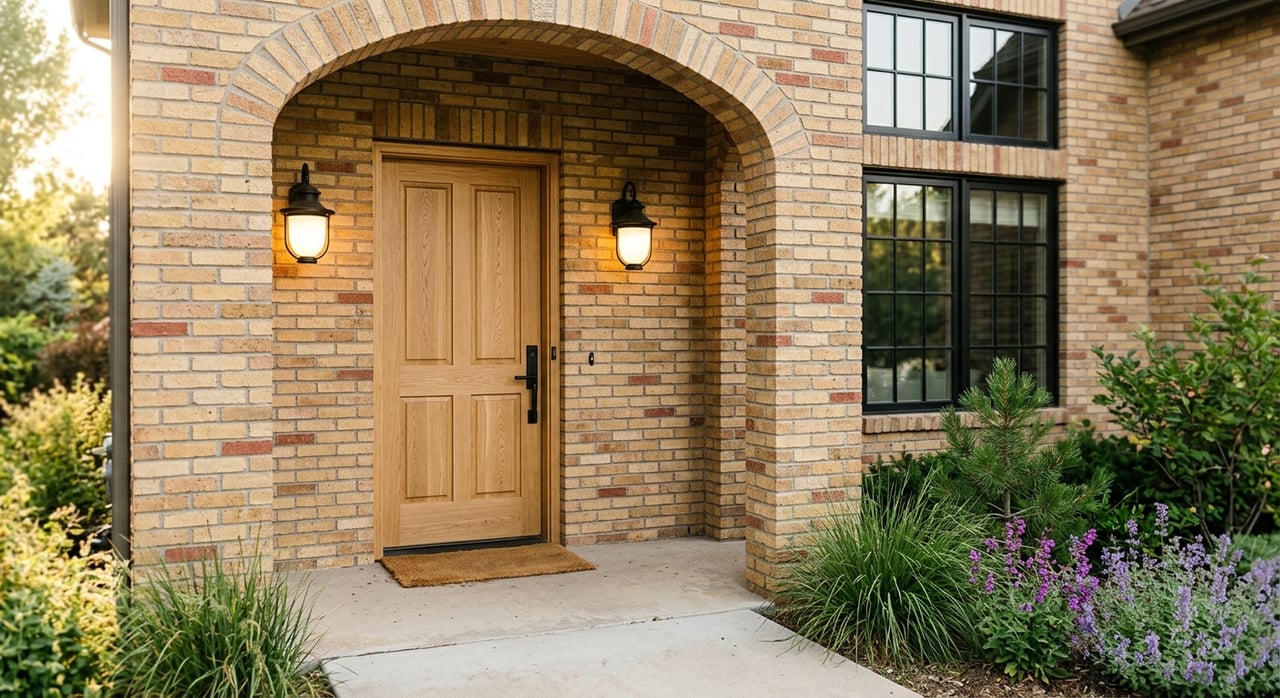
For many Stonegate sellers, though, the smartest first step is simpler. Fresh neutral paint, updated lighting, flooring touchups, a clean and welcoming entry, and tidy landscaping can improve presentation without turning your pre-listing season into a major construction project.
Stage the rooms buyers notice most
Staging does not have to mean a full redesign. The practical definition is decluttering and styling so buyers can picture how the space lives.
That matters because staging research found that 83% of buyers’ agents said staging made it easier for buyers to visualize the property as a future home. About half of sellers’ agents said staging reduced time on market, and 29% said it increased the dollar value offered by 1% to 10%.
If you want to be strategic, start with the rooms that tend to carry the most weight:
- Living room
- Primary bedroom
- Dining room
- Entry or front approach
- Kitchen sightlines and counters
The goal is not perfection. The goal is helping buyers see a home that feels cared for, bright, functional, and easy to move into.
Choose updates with practical payoff
If you are deciding where to spend money before listing, keep your focus tight. Visible improvements often do more for first impressions than expensive projects buyers may not fully value.
One notable data point from the 2025 report is that a new steel front door showed the highest reported cost recovery at 100%. That does not mean every seller needs a new front door, but it reinforces a useful rule: improvements that sharpen curb appeal and first impressions can punch above their cost.
Gather paperwork before you list
In Stonegate, preparation is not only about paint colors and photos. It is also about documentation.
Colorado’s current residential seller disclosure form, mandatory for use beginning January 1, 2026, must be completed by the seller based on the seller’s current actual knowledge. If you later discover a new adverse material fact, it must be disclosed promptly.
That disclosure form specifically asks about HOA membership, special assessments, and metropolitan district information. In Stonegate, that is especially important because some homes may involve both the HOA and the Stonegate Village Metropolitan District.
What to collect early
Before your home goes live, it helps to gather key information in one place. This can reduce stress later and help you respond quickly when buyer questions come up.
A strong early file may include:
- HOA contact information
- Current dues information
- CC&Rs and rules you already have access to
- Any known assessment information
- Metro district details that apply to the property
- Utility billing details that show district-related fees, if relevant
- Records of major repairs or updates
- Warranties or manuals you still have
Colorado’s HOA guidance notes that buyers are not entitled to HOA governing documents until they are under contract, though associations must maintain records and owners can request them. For sellers, that makes early collection a smart step.
Understand the metro district piece
Stonegate sellers should also be ready for questions about how the community is supported. The Stonegate Village Metropolitan District handles water and wastewater, recreational facilities, open space and public landscape maintenance, and drainage-way maintenance.
The district also states that property-tax revenue and fees fund these services, and that a monthly park and recreation fee appears on the utility bill. That is not something to hide in the fine print. It is something to understand early so you can provide clear, accurate information when buyers ask.
Douglas County also notes that property tax is calculated from actual value, assessment rate, and mill levy, with the owner of record on January 1 responsible for the real property tax unless the contract prorates it at closing. Having that context early can help you plan for net proceeds and closing expectations.
Plan for the listing period
Once your home is live, the process moves quickly when the groundwork is solid. That includes showings, offer timing, response strategy, and planning for inspection or repair conversations.
Colorado’s Division of Real Estate states that a broker must present all offers received to the seller client in a timely manner, regardless of software or commission model. In practical terms, that means your sale tends to feel smoother when you and your listing team agree in advance on how offers will be reviewed, how fast you want to respond, and how repair requests will be handled.
Use a simple sale plan
A coordinated sale usually works better than reacting one step at a time. Before listing, it helps to decide on a few basics:
- Your target launch window
- Your pricing strategy and adjustment plan
- Which prep items are worth doing now
- Which documents need to be ready before going live
- How you want to handle showing windows
- What matters most in an offer beyond price
- Your comfort level with repairs or concessions
This kind of planning is especially helpful in a market where conditions can be competitive and fast-moving, but not identical from one Stonegate home to the next.
Build a Stonegate-specific marketing story
A strong listing does more than describe bedrooms and bathrooms. It tells a clear, factual story about why your home stands out and how it fits into daily life.
In Stonegate, that often means pairing the home’s best physical features with the community details buyers already care about. Trails, open space, parks, pools, community-center access, and commuter convenience can all support the story when they are presented accurately and tied to the property in a natural way.
The best marketing angle is usually not “do everything.” It is “do the right things well.” Price from immediate comps, improve the details buyers can see, stage the main living areas, and gather HOA and metro district information before your listing goes live.
If you are preparing to sell in Stonegate, thoughtful coordination can make the process feel far more manageable. For tailored pricing, prep guidance, and concierge-level support from start to close, connect with Stephanie Brook.
FAQs
How should you price a home in Stonegate, Colorado?
- The strongest approach is to use recent comparable sales from the immediate Stonegate area, matching as closely as possible on product type, size, style, condition, and location rather than relying on county, ZIP-code, or tax-value averages.
What updates matter most before selling a Stonegate home?
- High-visibility improvements usually matter most, such as fresh neutral paint, lighting updates, flooring touchups, a clean entry, and tidy landscaping, with larger projects considered only when they clearly support value or marketability.
Does staging help when selling a home in Stonegate?
- Yes. Research cited in the report found staging helps buyers visualize the home, may reduce time on market, and in some cases may support stronger offers.
What documents should Stonegate sellers gather before listing?
- Sellers should gather HOA information, dues details, any known assessments, governing documents they already have, relevant metro district information, and records of repairs or upgrades so they are ready for disclosures and buyer questions.
Why do Stonegate sellers need HOA and metro district details?
- Stonegate includes both HOA and metropolitan district considerations, and Colorado’s seller disclosure form specifically asks about HOA membership, special assessments, and metropolitan district information.
Should you use Douglas County assessed value to set a Stonegate list price?
- No. Assessed value is based on a prior valuation cycle and sales-study period, so it is a lagging reference point rather than a reliable list-price target for today’s market.
